PALM OIL A versatile and widely used oil, powering industries and households globally


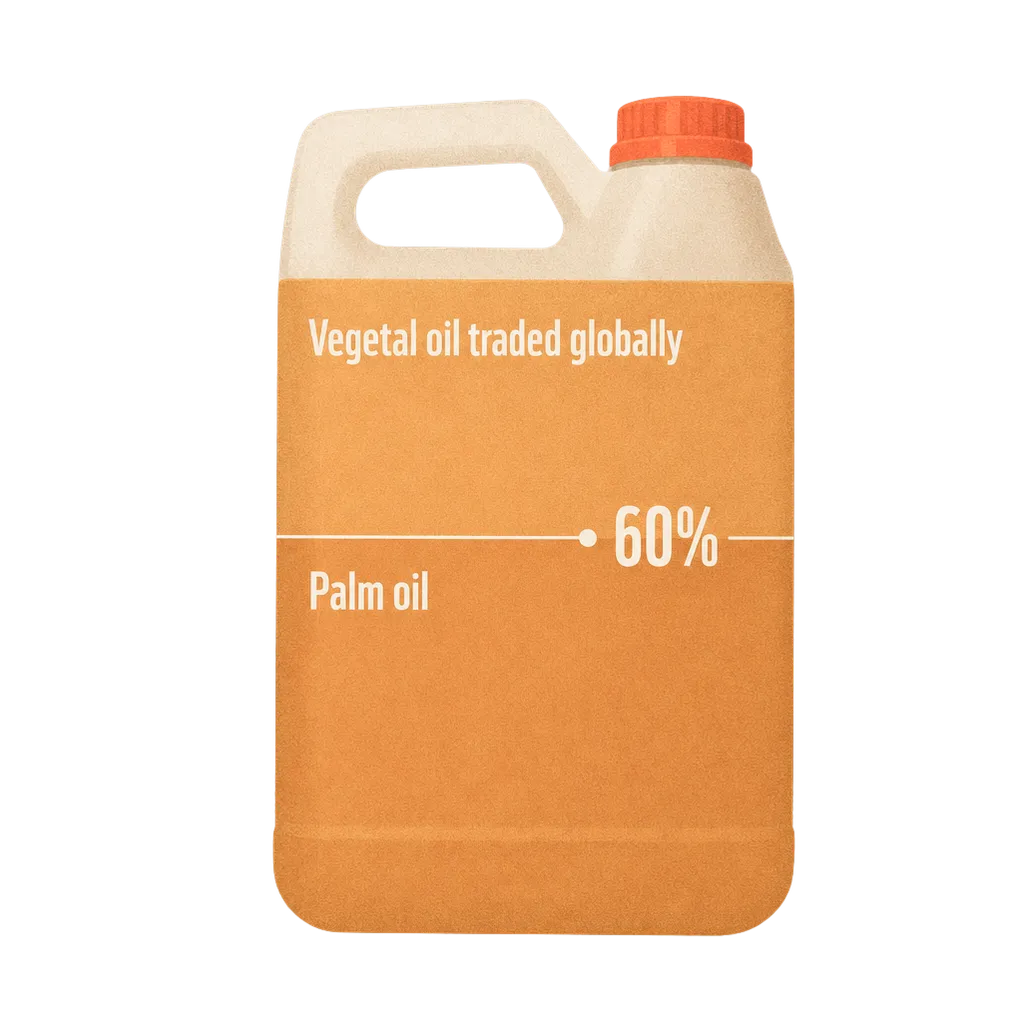
Palm oil’s wide range of uses and relative affordability have earned it the title of the world’s most consumed and traded vegetable oil.
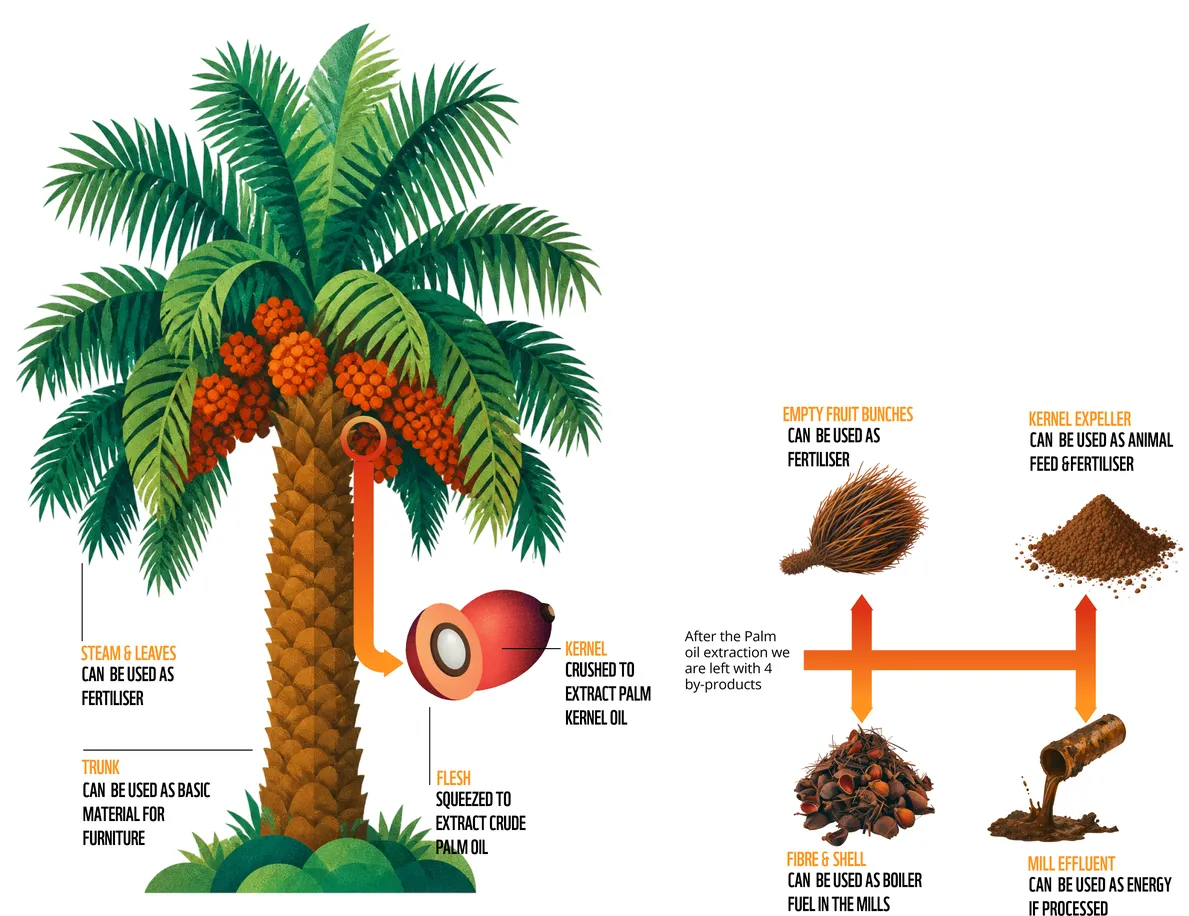
EVERY PART OF THE OIL PALM PLANT CAN BE USED
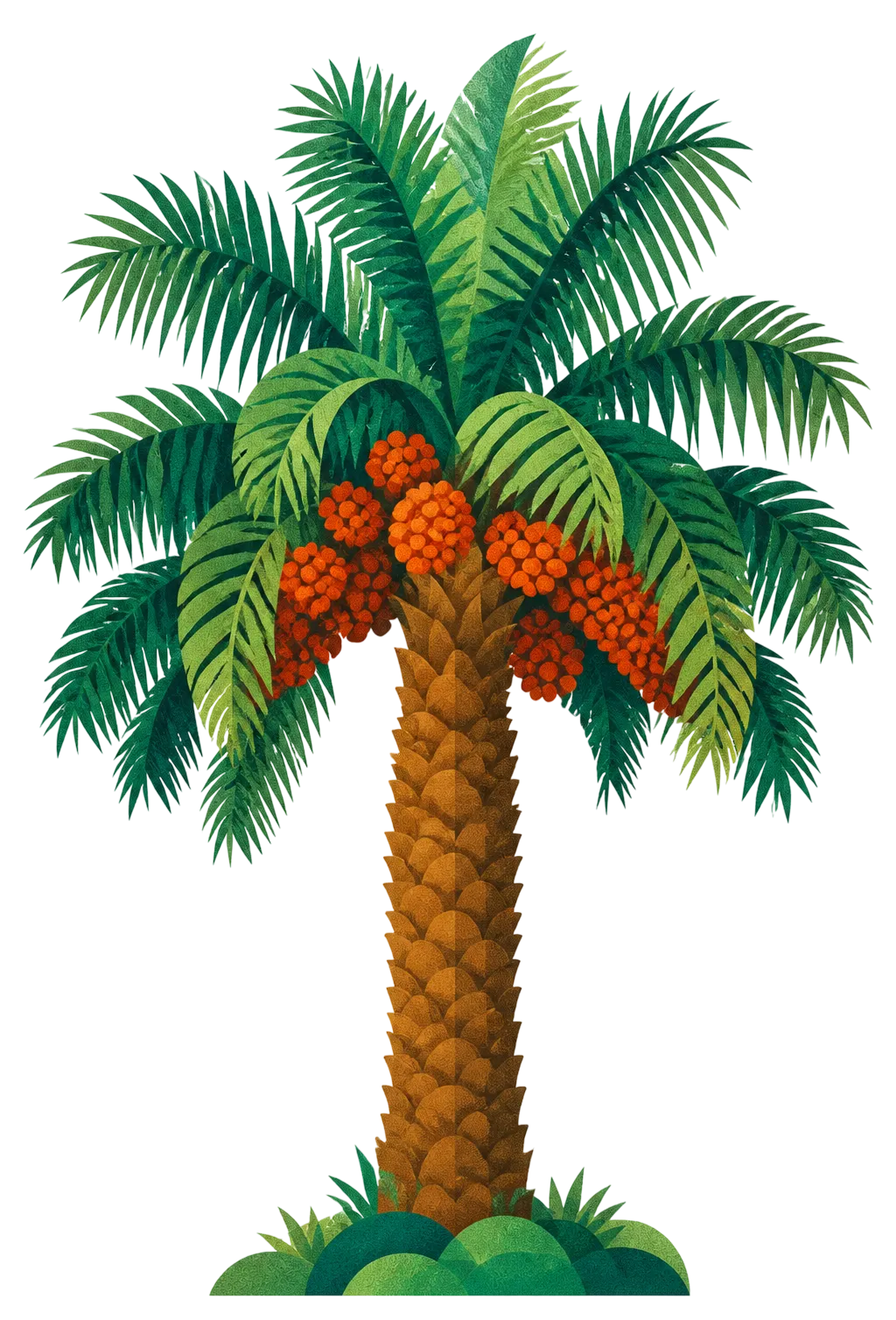
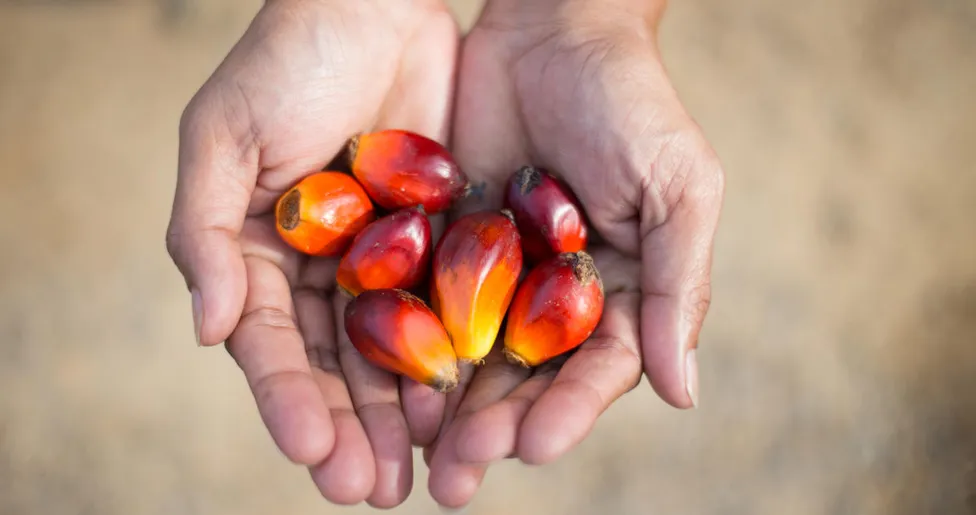
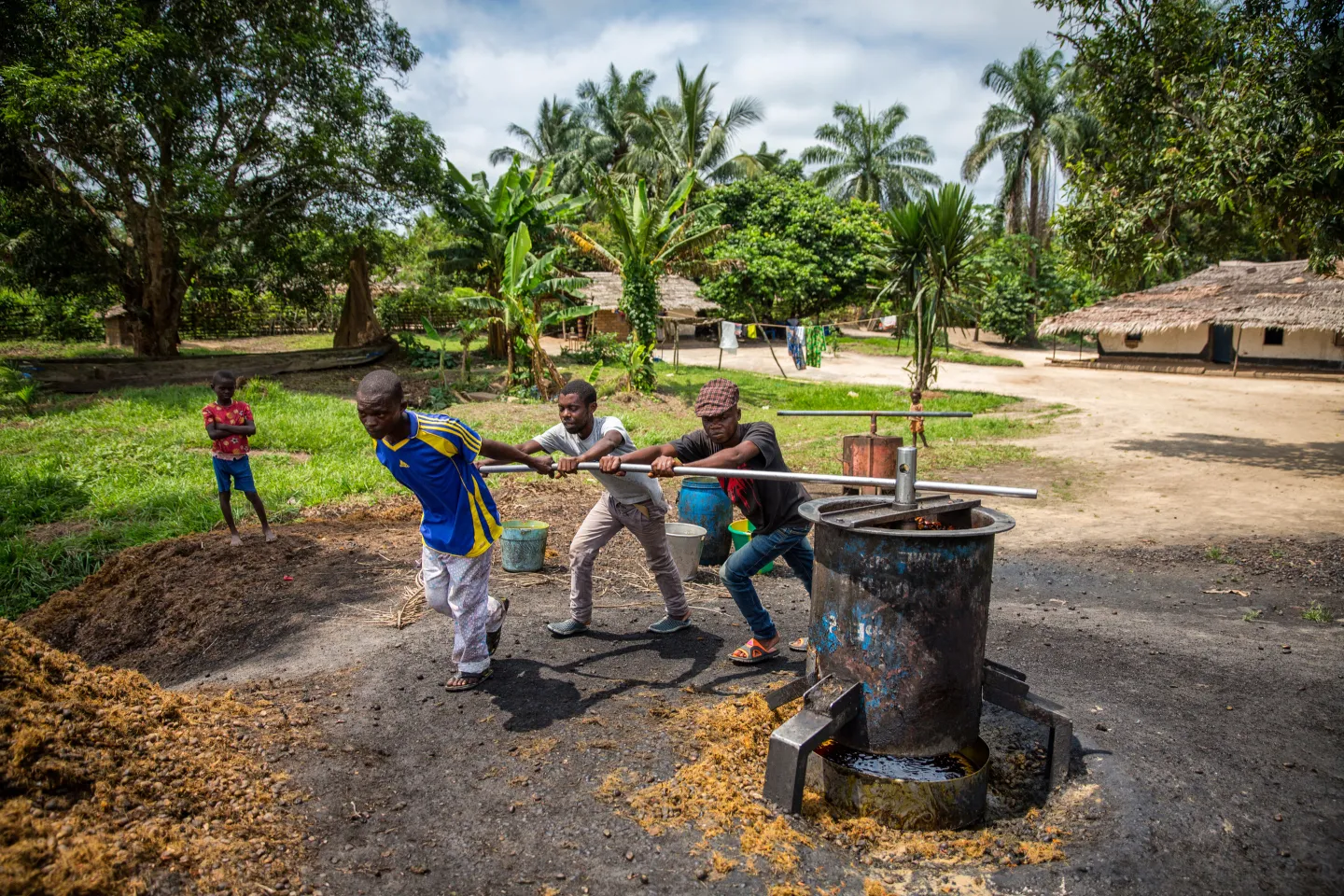
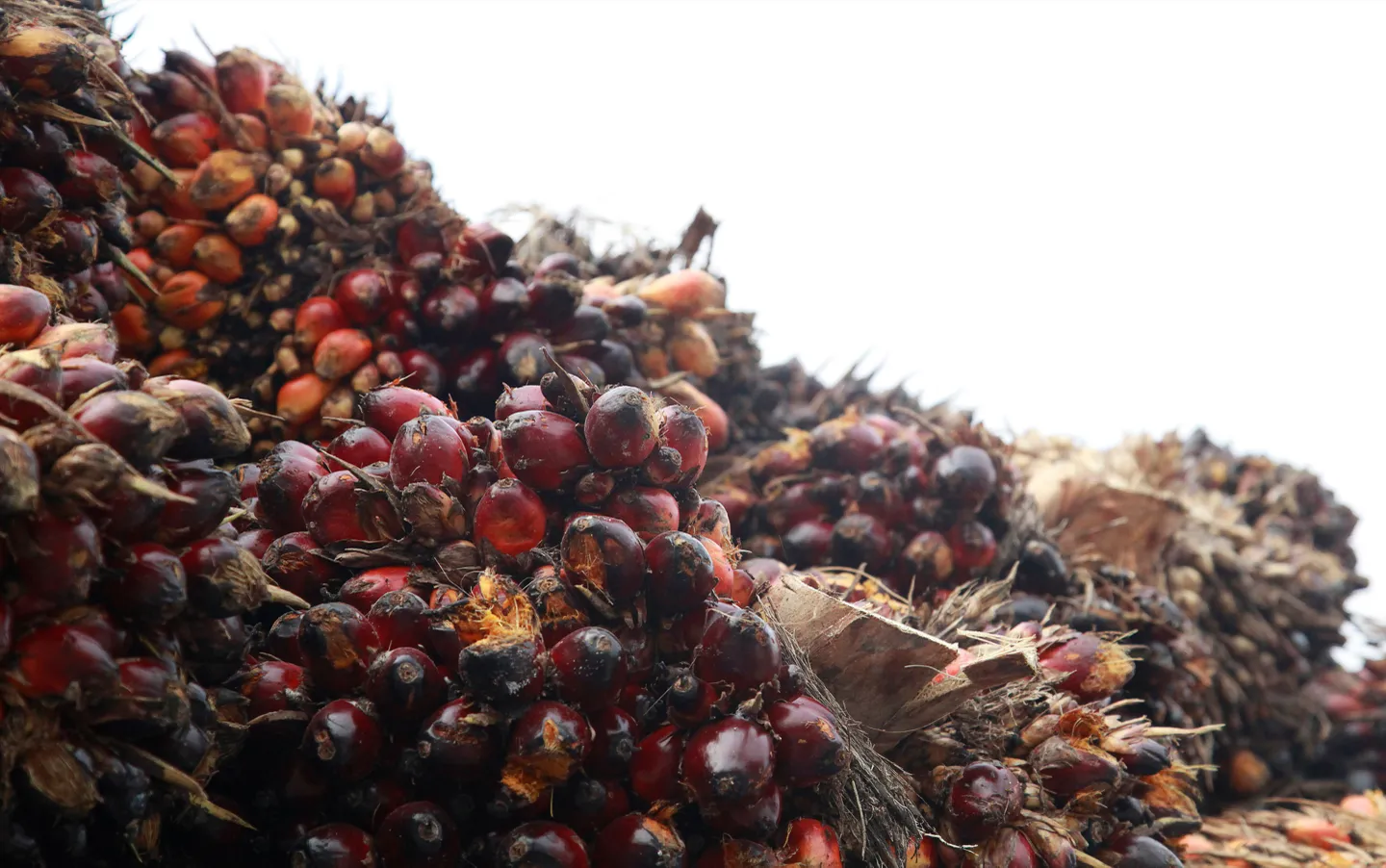
Palm oil is an edible vegetable oil that comes from the fruit of oil palm trees. To extract the oil, palm fruits are pressed in mills. Two types of oil can be produced: crude palm oil (CPO) comes from squeezing the fruit’s flesh, while palm kernel oil (PKO) can be extracted by crushing the kernel in the middle of the fruit.
Oil palms grow best in low-lying, hot and wet areas such as rainforests and peatlands near the equator, so it often overlaps with rainforests and peatlands. These areas are home to more than two-thirds of the world's biodiversity and play a critical role in the ecological balance of our planet.

Beyond their environmental role, these areas provide essential resources for local communities, supporting livelihoods through food, shelter, energy, medicine, and income generation.
Embracing sustainable practices is crucial to preserve the delicate balance between palm oil production and environmental conservation.
Global demand for palm oil is forecast to increase exponentially in the near future. Companies play a key role in making this happen. By adopting eco-friendly practices, they can ensure palm oil production benefits nature and the communities it sustains.
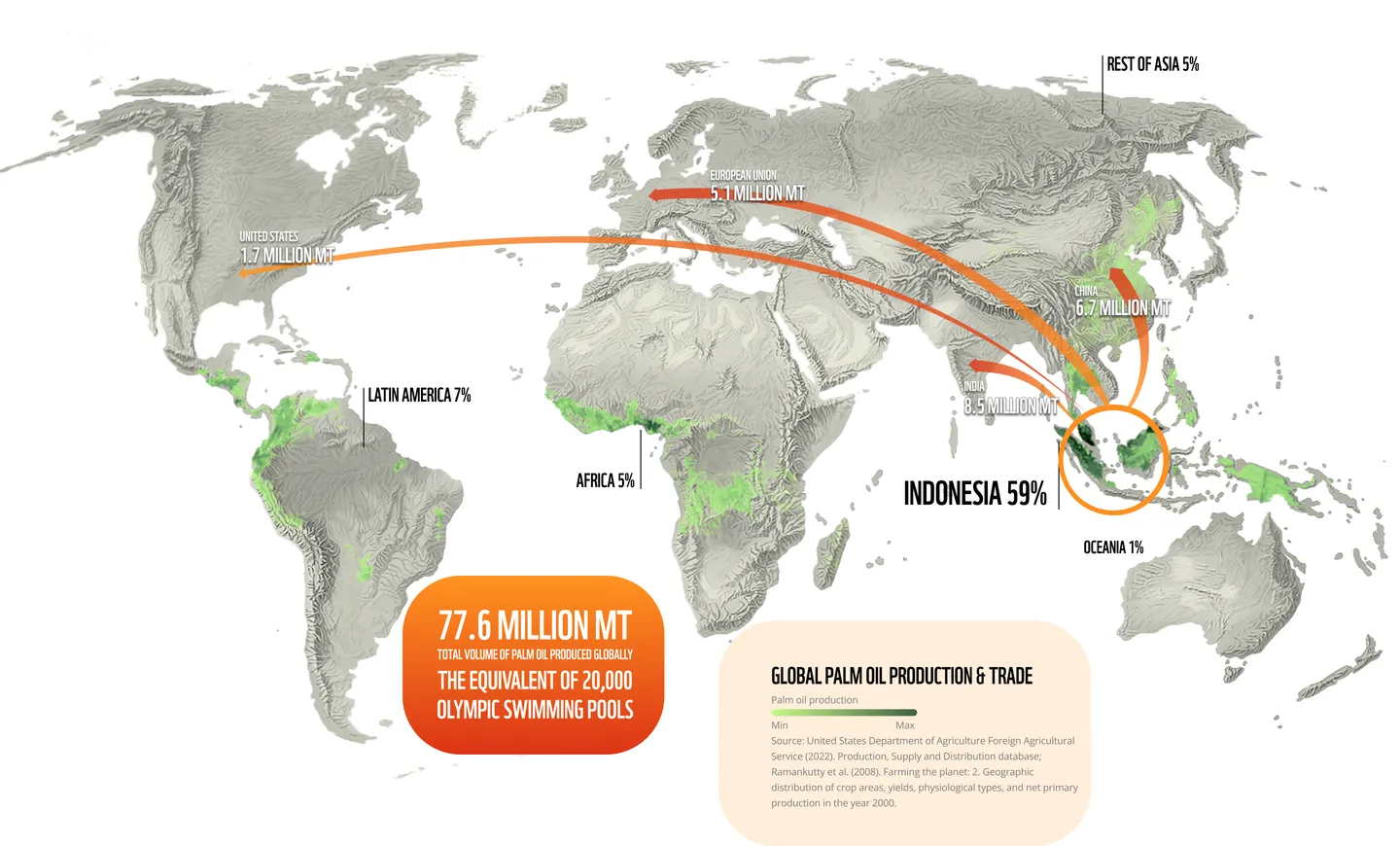
PALM OIL IS EVERYWHERE
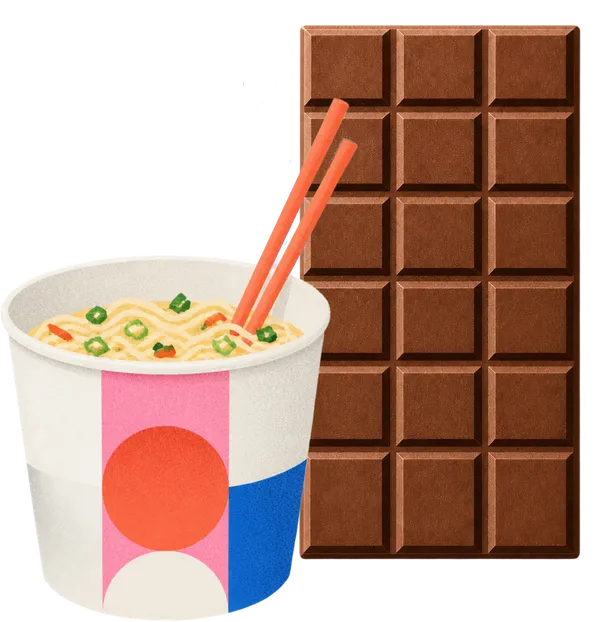
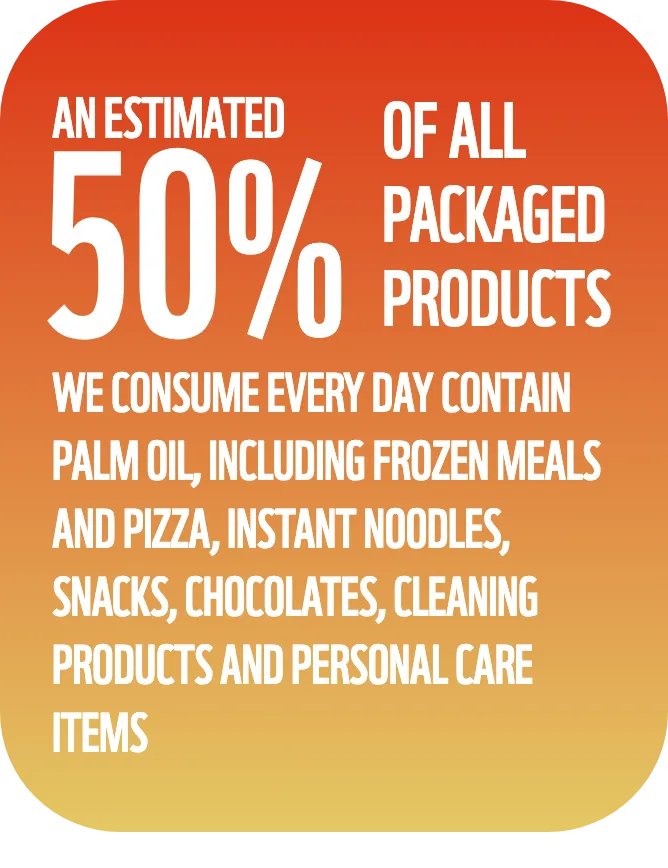
If you eat chocolate or instant noodles, use vegetable oil, or buy everyday household products such as soap, detergent or cosmetics, you are likely consuming or using products that contain palm oil. Without necessarily realising it, most of us use palm oil in some form every day. Palm oil is an extremely versatile oil that has many different properties which make it very useful for a variety of products.
Palm oil is the world’s most consumed & traded vegetable oil
It has a smooth and creamy texture, making it ideal for blending and processing to form products of varying consistencies and characteristics;
It is odourless, tasteless and colourless, meaning it doesn’t alter the smell, taste or look of products;
It maintains its properties even under high temperatures, making it ideal for cooking and frying;
It is resistant to oxidation and so can act as a natural preservative, giving products a longer shelf-life.

Palm oil is the world’s most consumed & traded vegetable oil

THE IMPACT OF PALM OIL
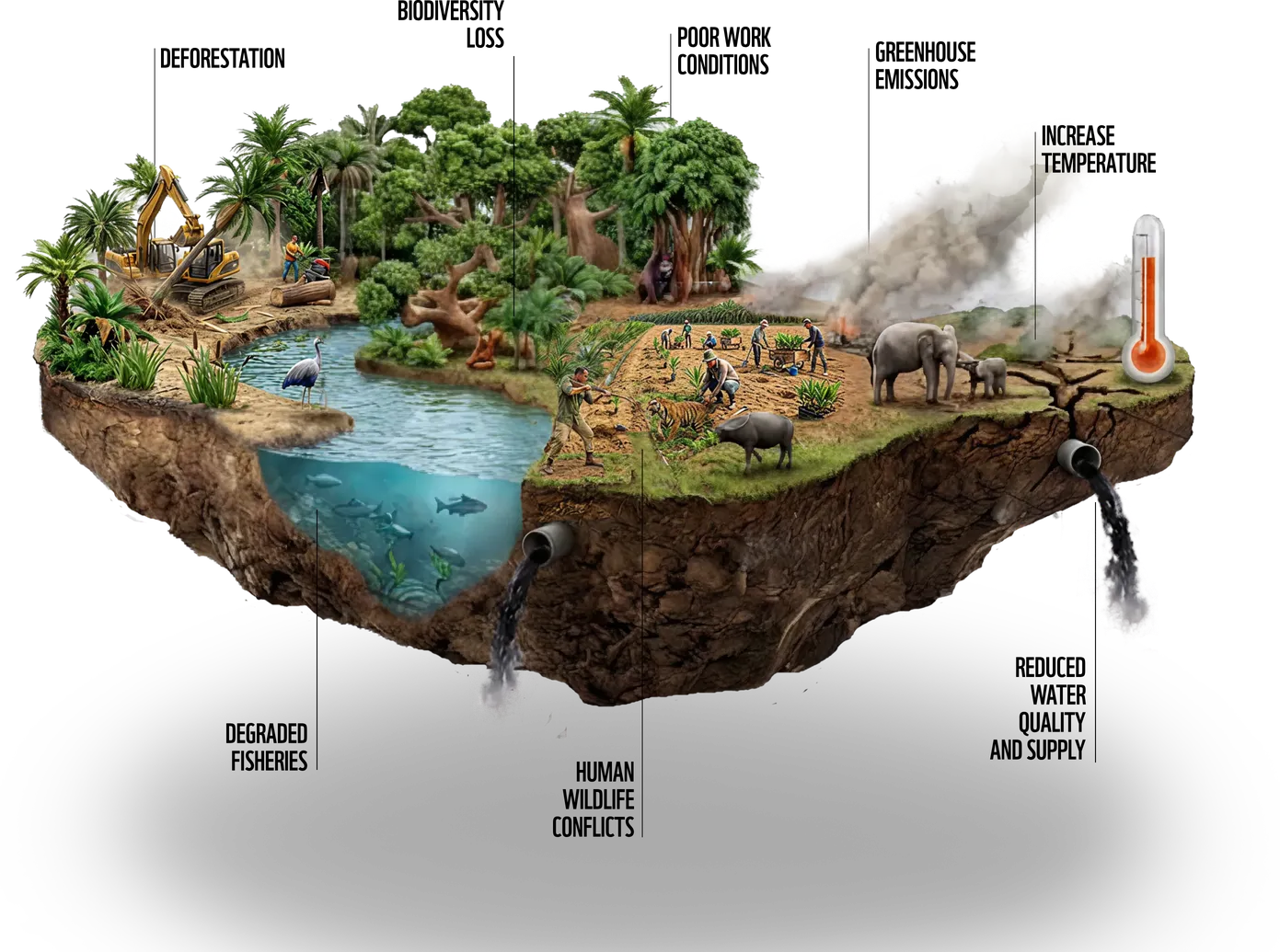
Palm oil makes a substantial contribution to economies and livelihoods across the tropics, particularly in Southeast Asia. But the rapid expansion of oil palm plantations to meet global demand has also resulted in a range of devastating impacts for people, nature and our climate.
WHY YOU SHOULD CARE ABOUT PALM OIL?
WHY DON’T WE SIMPLY REPLACE PALM OIL
Palm oil's remarkable productivity, surpassing other vegetable oils, is a critical factor. While considering alternatives might seem like a solution, the reality is that replacing palm oil could exacerbate environmental and social challenges. The efficiency of palm oil production means that replacing it with other oils may demand four to ten times more land, posing a greater threat to nature and wildlife.
Beyond its agricultural impact, the palm oil industry plays a significant role in job creation, particularly supporting rural communities where palm oil is a lifeline. Shifting away from this commodity could have substantial consequences, especially for the 40% of global palm oil production contributed by smallholder farmers.
Striking a balance that ensures sustainability while supporting livelihoods is key.
land required to produce 1 tonne of major oils
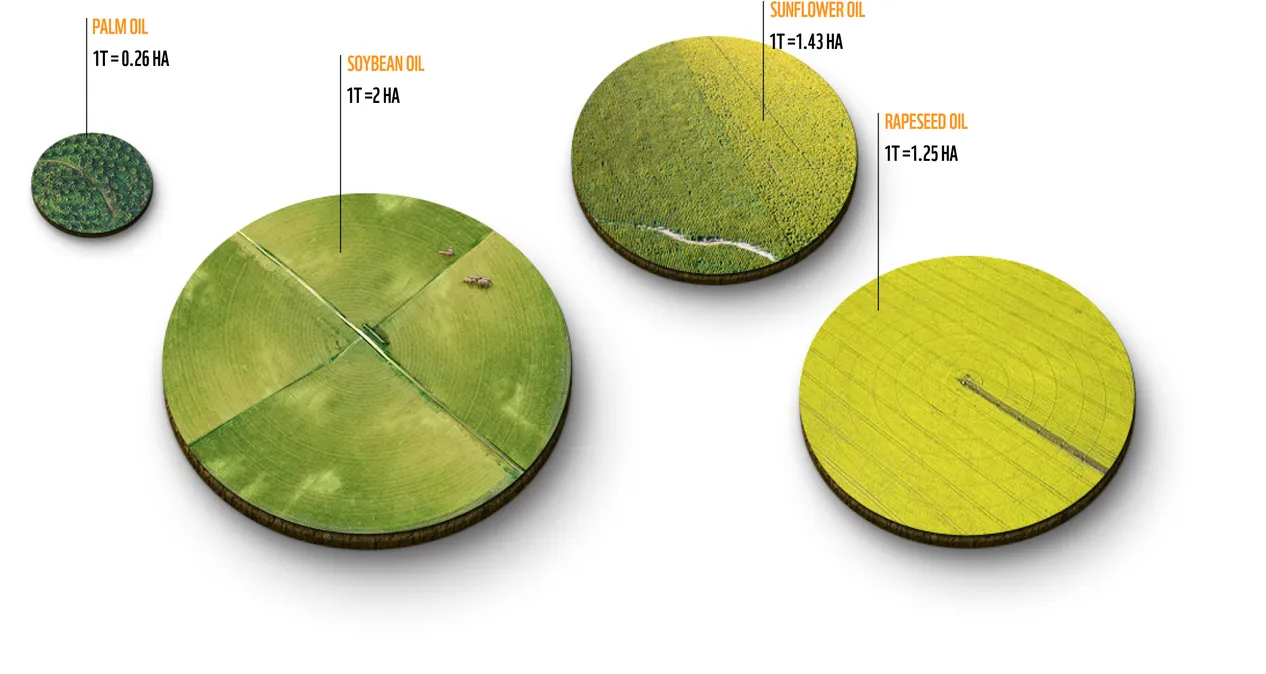
Source: Meijaard, E. et al. (2018). Oil palm and biodiversity. A situation analysis by the IUCN Oil Palm Task Force.
Palm oil demand is projected to increase in the near future. This growth could cause more environmental and social problems, not only in Southeast Asia but also in places like Africa, Latin America and Papua New Guinea.
But here's the good news: As consumers we have a CHOICE!
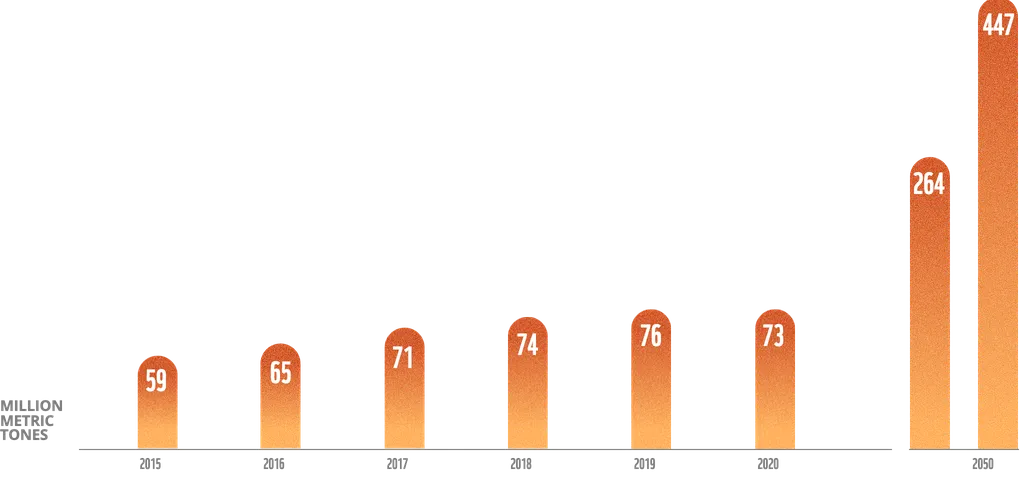
GLOBAL PALM OIL PRODUCTION
Palm oil production is expected to increase by four to six times in the near future, jumping from 73.8 million MT in 2020 to 264-447 million MT by 2050
Source: United States Department of Agriculture Foreign Agricultural Service (2020). Production, Supply and Distribution database.
Palm oil can be produced sustainably and responsibly, without deforestation and the conversion of natural ecosystems, benefitting both communities and the environment.
But, seizing this opportunity requires urgent action to hold the palm oil industry accountable and steer it towards sustainability. Companies purchasing palm oil must swiftly embrace and support the production and utilisation of sustainable palm oil. Together, we can make a significant impact.
ARE BUYERS COMMITTED TO A RESPONSIBLE PALM OIL FUTURE ?
CHECK BUYERS SCORESARE TRADERS COMMITTED TO A RESPONSIBLE PALM OIL FUTURE ?
CHECK THE TRADERS SCORES