ANALYSIS

HOW ARE PALM OIL BUYERS PERFORMING?
Across this year's scorecard, palm oil buyers have demonstrated measurable progress across most of the indicators assessed. The overall average score has increased from the previous assessment, rising from 61% (14.7/24 points) to 64% (16.1/25 points) despite stricter criteria, signalling encouraging transformation and meaningful action across global palm oil sourcing practices.
This year's assessment also underscores the significant distance that remains for palm oil buyers to credibly demonstrate that they have established palm oil supply chains that are free of deforestation, ecosystem conversion, and human rights violations.
Transparency remains essential: 90 of the 191 companies (47%) approached did not respond, limiting transparency and accountability in the sector.
The urgency for action within the palm oil industry has never been greater. Unsustainable practices have fuelled biodiversity loss, deforestation, and climate change. With ambitious targets and pathways for conserving and restoring biodiversity over the next decade and beyond, there's a clear mandate for accelerated corporate action. Palm oil buyers must translate promises into tangible measures to address these pressing issues. Time is of the essence, and we cannot afford further delays.
191
COMPANIES APPROACHED to participate in the 2026 palm oil buyers scorecard
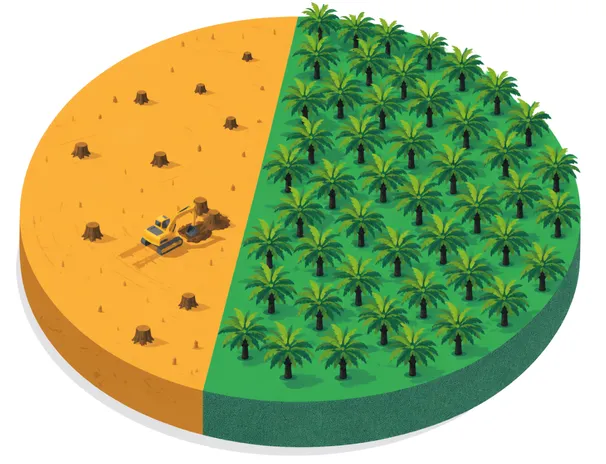
47%DID NOT respond
16.1 OUT OF 25 POINTS (64%) WAS THE AVERAGE SCORE
How companies are performing ON FUNDAMENTAL ACTION AREAS
In light of the urgent global nature and climate crisis, WWF's 2026 scorecard evaluated palm oil buyers against a rigorous set of criteria.
While many companies have made considerable strides in removing deforestation, conversion, and human rights violations from their supply chains, there's significant room for improvement among palm oil buyers to support wider sector-level transformation.
SECTOR AVERAGES
Share of palm oil volumes represented by each sector
FOOD MANUFACTURERS
3,386,430 MT
NON-FOOD MANUFACTURERS
2,644,213 MT
RETAILERS
940,465 MT
FEED · 53,741 MT (0.8%)
Responded Did not respond1 dot = 1 company
FOOD MANUFACTURERS
64%Average score
97 companies
45 responded · 46% response rate
NON-FOOD MANUFACTURERS
58%Average score
38 companies
21 responded · 55% response rate
RETAILERS
69%Average score
49 companies
34 responded · 69% response rate
FEED
37%Average score
7 companies
1 responded · 14% response rate
FOOD MANUFACTURERS
- 56%have "deforestation- and conversion-free" policies
- 91%have policies to respect human rights
- 86%of purchased palm oil volumes are RSPO certified
- 60%monitor suppliers for deforestation and/or conversion
- 69%monitor human rights within their supply chain
- 84%report some level of traceability in their palm oil supply chain
- 36%are investing in on-the-ground projects in palm oil producing regions
NON-FOOD MANUFACTURERS
- 57%have "deforestation- and conversion-free" policies
- 100%have policies to respect human rights
- 66%of purchased palm oil volumes are RSPO certified
- 90%monitor suppliers for deforestation and/or conversion
- 95%monitor human rights within their supply chain
- 71%report some level of traceability in their palm oil supply chain
- 71%are investing in on-the-ground projects in palm oil producing regions
RETAILERS
- 65%have "deforestation- and conversion-free" policies
- 97%have policies to respect human rights
- 91%of purchased palm oil volumes are RSPO certified
- 68%monitor suppliers for deforestation and/or conversion
- 88%monitor human rights within their supply chain
- 94%report some level of traceability in their palm oil supply chain
- 59%are investing in on-the-ground projects in palm oil producing regions
KEY FINDINGS
SET GOALS
1MORE COMPANIES ARE ADOPTING ROBUST COMMITMENTS THAT ADDRESS THE ENVIRONMENTAL AND SOCIAL RISKS IN THEIR PALM OIL SUPPLY CHAINS IN AN EFFECTIVE AND TIMELY MANNER

59%of respondents
have a conversion-free commitment that goes beyond forests and protects all natural ecosystems
More companies in this year's POBS have adopted commitments covering DCF, human rights, and RSPO sourcing compared to the previous scorecard. This response aligns with calls from WWF and broader civil society for companies to embrace the Core Principles of the Accountability Framework. These principles urge companies to elevate their commitments by publicly declaring clear targets and time-bound milestones that reflect the urgency of the ecological crisis we face.
69%of respondents
have a human rights commitment that covers the rights of all stakeholders who might be negatively impacted by palm oil production
Most companies that have pledged to address deforestation, conversion, and human rights issues within their supply chains apply these commitments universally across their entire operations and all types of palm oil they source.
82% OF RESPONDENTSHAVE COMMITTED TO SOURCING 100% RSPO-CERTIFIED SUSTAINABLE PALM OIL
Furthermore, 82% of respondents have committed to sourcing 100% RSPO-certified sustainable palm oil (CSPO). However, within this group, 23 companies (28%) have yet to achieve this commitment, have set a target date for implementation beyond 2025, or have not established a specific time-bound target.
TAKE ACTION · SUSTAINABLE PALM OIL PURCHASING
2SOURCING 100% RSPO-CERTIFIED PALM OIL IS STILL NOT THE NORM.
Of the 7.02 million metric tonnes (MT) of palm oil-derived ingredients reported by respondents in this year's scorecard, 79% is RSPO certified.
Respondents headquartered in North America and Europe have the highest uptake of RSPO CSPO. Conversely, respondents from Asia and Australia lag behind, indicating the need for significant progress in narrowing the certification gap in these regions.
only 55%of respondentsHAVE ACHIEVED 100% RSPO CSPO
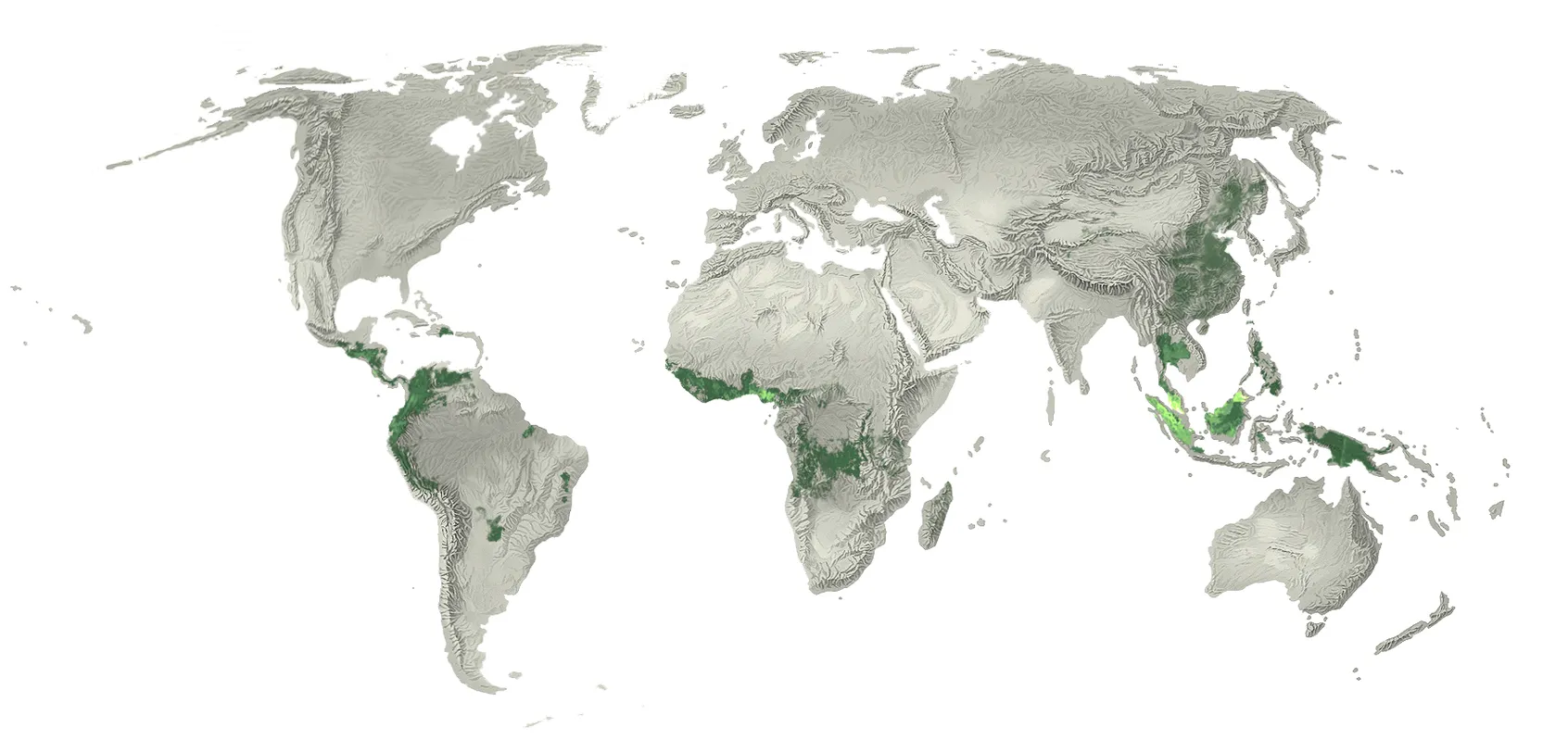
UPTAKE OF RSPO-CERTIFIED SUSTAINABLE PALM OIL BY REGION*
AMERICAS
- Total RSPO CSPO volume (thousands MT)
- 1,747
- RSPO CSPO uptake
- 87.7%
- Breakdown of supply chain model SG/IP; MB; ISH; B&C
- 3.1%69.9%0.3%14.2%
europe & UK
- Total RSPO CSPO volume (thousands MT)
- 3,713
- RSPO CSPO uptake
- 82.7%
- Breakdown of supply chain model SG/IP; MB; ISH; B&C
- 35.3%35.4%4.6%7.4%
asia & australia
- Total RSPO CSPO volume (thousands MT)
- 74
- RSPO CSPO uptake
- 13.7%
- Breakdown of supply chain model SG/IP; MB; ISH; B&C
- 0.4%13.0%0.1%0.2%
*based on respondents’ headquarters
3DESPITE SOURCING SUSTAINABLE PALM OIL, COMPANIES CONTINUE TO RELY HEAVILY ON SUPPLY CHAIN MODELS THAT DO NOT OFFER THE MOST ROBUST ENVIRONMENTAL AND SOCIAL SAFEGUARDS, AND FEW HAVE ROBUST DUE DILIGENCE AND VERIFICATION SYSTEMS FOR THESE SUPPLY CHAIN MODELS.
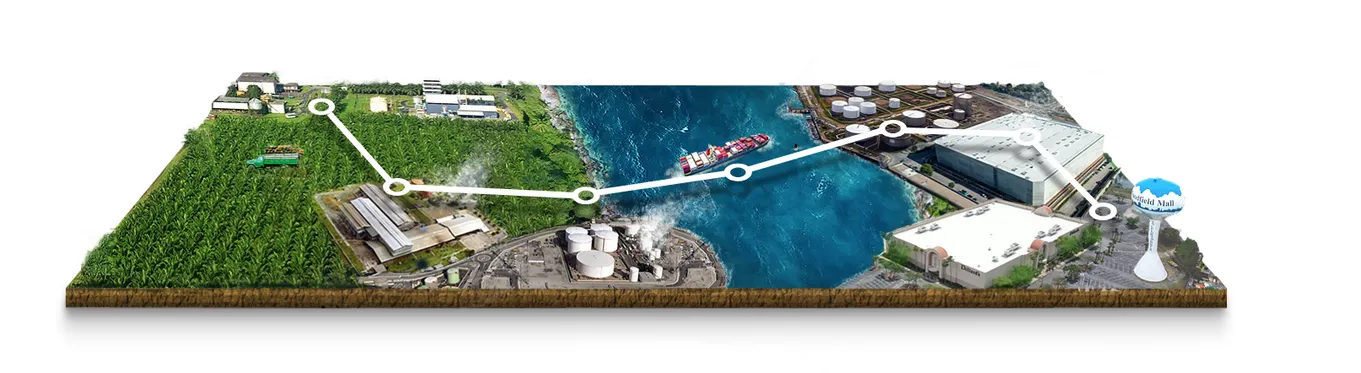
Sourcing RSPO CSPO through Segregated or Identity Preserved options, the only two supply chain options that offer transparent tracing to sustainable sources, remains limited.
Companies' continued reliance on Mass Balance and Book & Claim credits is a cause for concern. Mass Balance allows certified and uncertified material to be mixed, while Book & Claim credits support certified production separately from the physical palm oil purchased. Few assessed companies provided adequate evidence of robust due diligence and verification to demonstrate that their sourcing using these supply chain models is free from deforestation, conversion of natural ecosystems, and human rights violations.
30% OF RESPONDENTS
are sourcing at least 80% Identity Preserved or Segregated palm oil
MASS BALANCE ACCOUNTED FOR 44%
of certified volumes reported by companies
ONLY 24% OF DECLARED CERTIFIED VOLUMES
are from palm oil certified as Segregated or Identity Preserved
ONLY 9 COMPANIES WERE AWARDED ENHANCED SCORING
for non-IP/SG volumes covered by credible due diligence and verification systems
TAKE ACTION · SUPPLIER ACCOUNTABILITY
4COMPANIES ARE ENHANCING SUSTAINABILITY COMMITMENTS BY EXTENDING THEM TO INCLUDE SUPPLIERS AND ENSURING ACCOUNTABILITY.
As companies increasingly align with the Accountability Framework's Core Principles, they are expecting their suppliers to adopt equally robust environmental and social commitments.
Palm oil buyers should establish robust monitoring, verification, and reporting systems using the Accountability Framework as a common reference. They should also engage their suppliers more comprehensively by requesting and incentivising suppliers to be sustainable across all their operations.
47% of respondentsrequire suppliers to have an AFi-aligned deforestation- and conversion-free policy

66% OF RESPONDENTSrequire suppliers to have a human rights policy that applies to all stakeholders who might be negatively impacted by palm oil production
TAKE ACTION · TRACEABILITY
5REPORTING TRACEABILITY LEVELS UPSTREAM IN THE VALUE CHAIN IS SLOWLY GAINING TRACTION.
Reporting traceability levels upstream in the value chain is increasing, even for volumes and production landscapes that are not fully certified, thanks to ongoing engagement efforts by civil society groups.
Companies are investing in traceability to comply with evolving regulatory frameworks like the European Union Deforestation Regulation (EUDR) and to mitigate legal risks. While traceability alone does not ensure the sustainability of palm oil, it helps companies identify and address social and environmental risks in their supply chains more effectively. Palm oil buyers wield significant influence to ensure collaborative implementation of traceability mechanisms and reporting with their suppliers.

RESPONDENTS REPORT AN AVERAGE OF 64% OF VOLUMES TRACEABLE TO MILLS AND JUST 17% TRACEABLE TO PLANTATIONS
ONLY 23% OF RESPONDENTS REPORTED THE PROPORTION OF PALM OIL SUPPLY THAT IS TRACEABLE TO PLANTATION
INDUSTRY CHANGE · SUSTAINABILITY PLATFORMS
6MOST PALM OIL BUYERS ARE ENGAGING IN COLLECTIVE ACTION AND ADVOCACY EFFORTS THROUGH INITIATIVES AND PLATFORMS THAT ADDRESS DEFORESTATION, ECOSYSTEM CONVERSION, HUMAN RIGHTS ISSUES, AND BROADER SUSTAINABILITY CHALLENGES ACROSS PALM OIL SUPPLY CHAINS.
Achieving profound transformation in the industry requires collective action and advocacy. Almost two-thirds of respondents are taking part in action-oriented sustainability platforms, including the Palm Oil Collaboration Group (POCG), Consumer Goods Forum (CGF) Forest Positive Coalition, High Carbon Stock Approach (HCSA), Retailers' Palm Oil Group (RPOG), and national and regional demand alliances.
99% of respondents
HOWEVER, ONLY 19% OF RESPONDENTS SCORED FULL POINTS ON RSPO'S SHARED RESPONSIBILITY SCORECARD.
ARE RSPO MEMBERS, ACTIVELY CONTRIBUTING TO THE PLATFORM'S MISSION TO MAKE PALM OIL SUSTAINABLE.
INDUSTRY CHANGE · ON-THE-GROUND ACTION
7A SIGNIFICANT NUMBER OF COMPANIES ARE EXPANDING THEIR EFFORTS BEYOND THEIR SUPPLY CHAINS.
Support by companies for projects in palm oil producing landscapes is also critical to delivering inclusive and productive rural economies where natural ecosystems are valued and protected, and community rights are respected. Supporting such initiatives aligns with long-term supply goals and drives tangible on-the-ground impact.
From conservation and forest protection projects to smallholder capacity building or jurisdictional/landscape approaches, there is a myriad of investments companies can make to drive positive impact.
51% of respondents
are driving positive change in palm oil producing landscapes
44%OF RESPONDENTS

SMALLHOLDERS
26%OF RESPONDENTS

BIODIVERSITY CONSERVATION PROJECTS
46%OF RESPONDENTS

Forest protection and restoration projects
43%OF RESPONDENTS

Jurisdictional and landscape approaches
CASE study

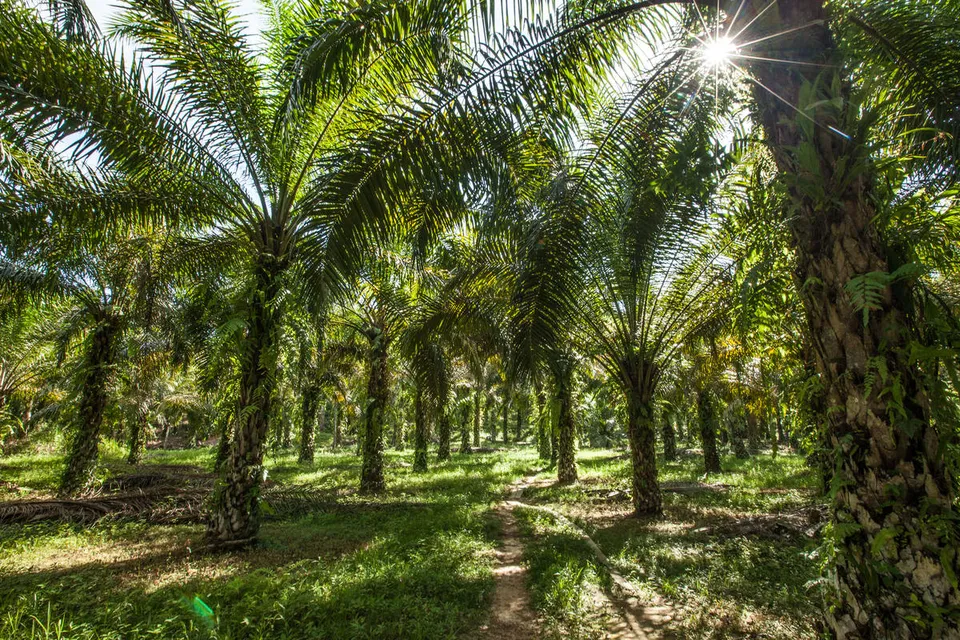
ferrero is committed to sourcing palm oil that is 100% RSPO certified segregated and traceable back to plantations, guided by an ambition to transform the industry to benefit people and the planet.